1-506-710-2226 | info@climatlantic.ca

  • Contact Us
  • Français
Le français suit. The CLIMAtlantic logo, which is a circular image depicting a hilly landscape with water and a white fish in the front. Next to this, text reads "CLIMAtlantic". Le logo de CLIMAtlantic, qui est une image circulaire représentant un paysage vallonné avec de l'eau et un poisson blanc à l'avant. À côté, on peut lire "CLIMAtlantic".
  • About Us
    • Our Work
    • Our Team
    • Board of Directors
    • Advisory Committee
    • Partners & Funders
    • Charitable Status
  • Why Adapt
  • Programs & Services
    • Adaptation Pathways
    • CART Program
    • Community Resilience
    • Sector Support
  • Tools & Data
    • Coastal Adaptation Toolkit
    • Funding Opportunities
    • Data & Climate Projections
    • Funding & Sector Support
    • Networking Map
    • Province-Specific Information
      • Nova Scotia
      • New Brunswick
      • PEI
      • NFLD and Labrador
  • Learning Space
    • Adaptation Library
    • Adaptation in Action
    • Resources and Reports
    • Video Library
    • Webinars
  • News & Events
    • News & Events
    • Jobs
    • Newsletters
  • 1-506-710-2226
  • info@climatlantic.ca
  • Français
Le français suit. The CLIMAtlantic logo, which is a circular image depicting a hilly landscape with water and a white fish in the front. Next to this, text reads "CLIMAtlantic". Le logo de CLIMAtlantic, qui est une image circulaire représentant un paysage vallonné avec de l'eau et un poisson blanc à l'avant. À côté, on peut lire "CLIMAtlantic".
  • About Us
    • Our Work
    • Our Team
    • Board of Directors
    • Advisory Committee
    • Partners & Funders
    • Charitable Status
  • Why Adapt
  • Programs & Services
    • Adaptation Pathways
    • CART Program
    • Community Resilience
    • Sector Support
  • Tools & Data
    • Coastal Adaptation Toolkit
    • Funding Opportunities
    • Data & Climate Projections
    • Funding & Sector Support
    • Networking Map
    • Province-Specific Information
      • Nova Scotia
      • New Brunswick
      • PEI
      • NFLD and Labrador
  • Learning Space
    • Adaptation Library
    • Adaptation in Action
    • Resources and Reports
    • Video Library
    • Webinars
  • News & Events
    • News & Events
    • Jobs
    • Newsletters
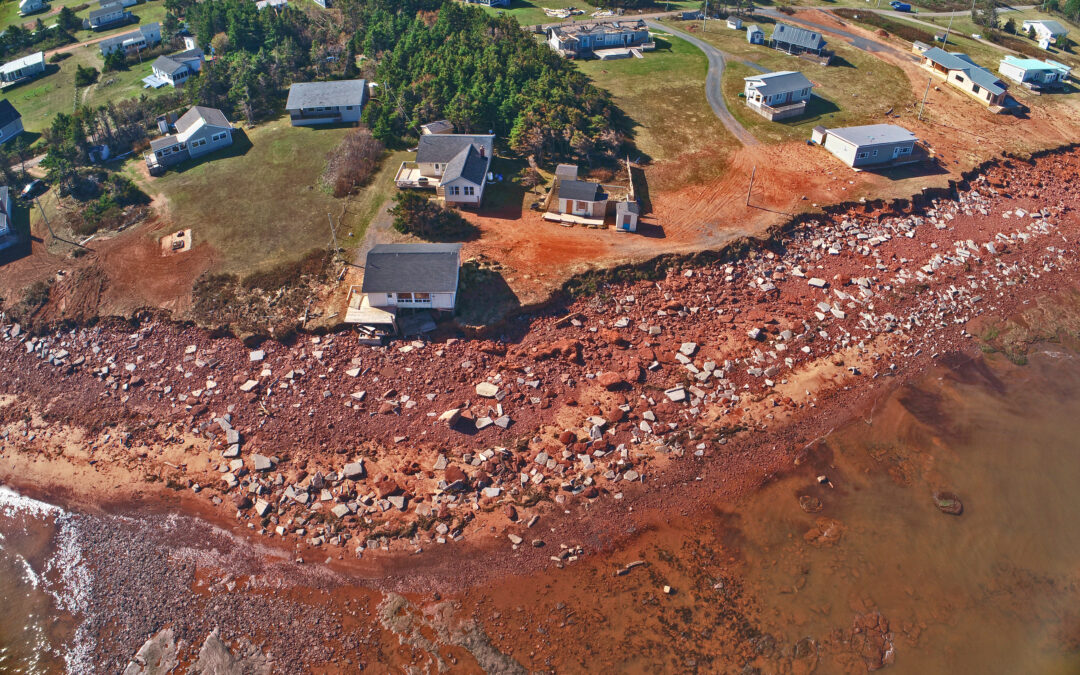
Post-Fiona: Data and Citizen Knowledge for Recovery and Future Planning on PEI

Post-Fiona: Data and Citizen Knowledge for Recovery and Future Planning on PEI

by Sabine Dietz | Nov 7, 2023 | Adaptation, Climate Data in Action, Blog

Image credit: UPEI School of Climate Change and Adaptation Drone Team, Savage Harbour, PEI, D. E. Jardine. Introduction Just over a year ago, Hurricane Fiona caused significant damage across Atlantic Canada (Mulligan, 2022; Santa Maria, 2022). Since then, a number of...
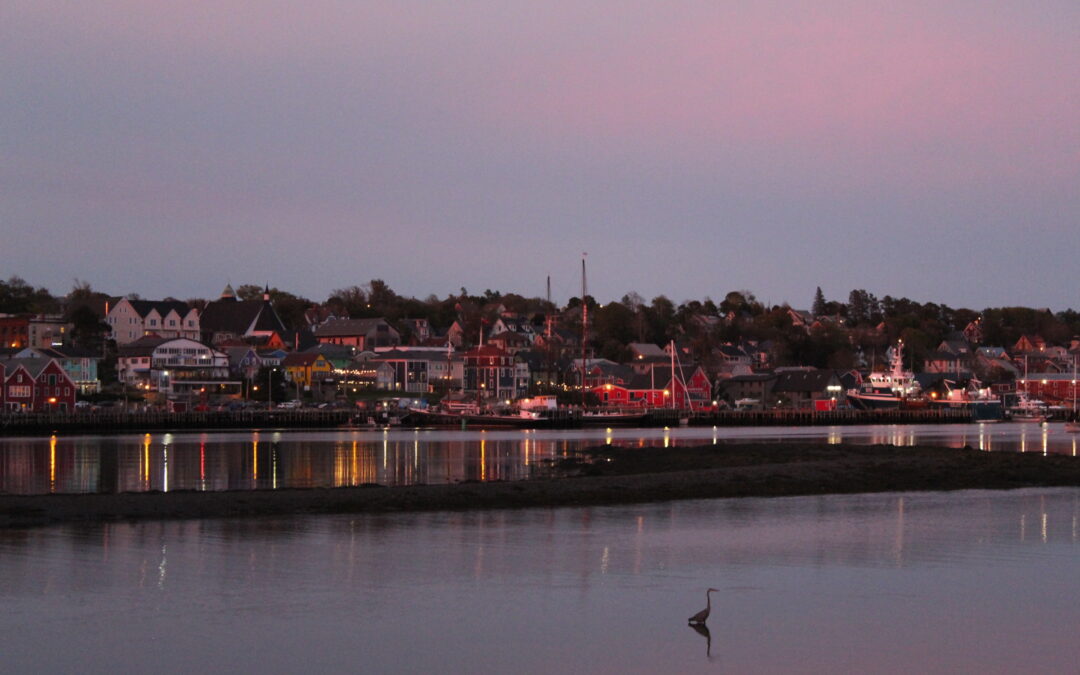
Changing the Face of Climate Action through Stakeholder Engagement and Leadership

Changing the Face of Climate Action through Stakeholder Engagement and Leadership

by Sabine Dietz | Oct 26, 2023 | Atlantic, Climate Action, Climate Change, Blog

Originally published in Water Source, Fall/Winter 2023, Canadian Water & Wastewater Association. There is a perceptible change underway in climate action; one that is long overdue. Undoubtedly a result of leadership from likely and unlikely places, there is a...
Event recap: Smart Climate Resilience for Atlantic Canada

Event recap: Smart Climate Resilience for Atlantic Canada

by Sabine Dietz | Oct 16, 2023 | Adaptation, Adaptation, Atlantic, Atlantic, Blog, Blog

On September 28, CLIMAtlantic co-hosted a workshop with Evergreen Canada’s Community Solutions Network. The hybrid event took place in Moncton and featured speakers on topics related to data and technology approaches to climate adaptation and resilience. The workshop...
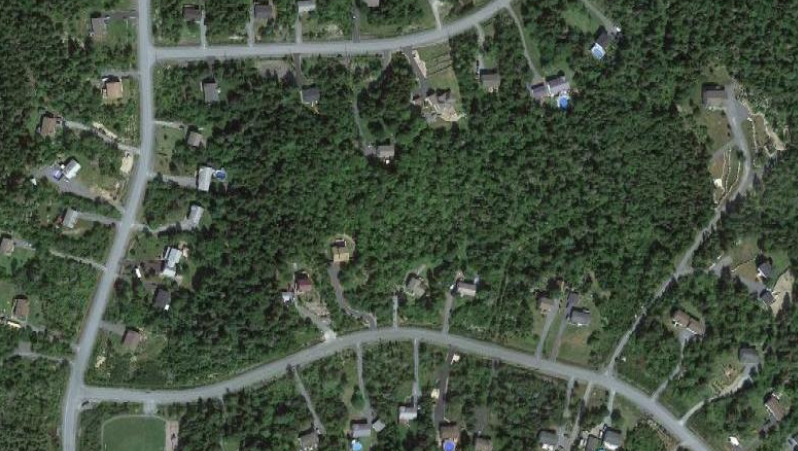
Fire and our Communities: Strategies for Adaptation

Fire and our Communities: Strategies for Adaptation

by Sabine Dietz | Oct 5, 2023 | Adaptation, Urban planning, Atlantic, Forest fires, Climate Change, Blog

Image credit: Google Maps, accessed on October 4, 2023. Background: Fire in Atlantic Canada Fire is and has been a natural part of forest ecosystems across Canada. While it is more common in the western and central parts of the country, fire has also historically...
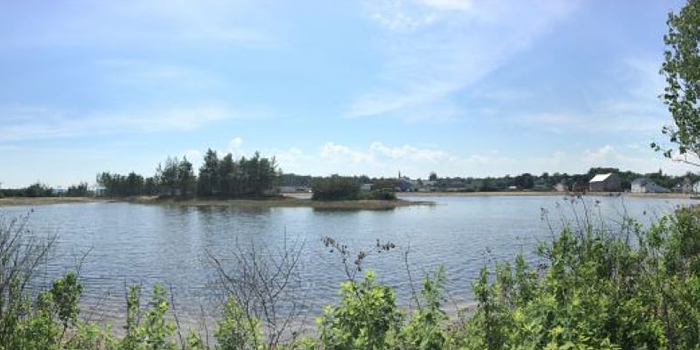
Climate Change Adaptation and Resilience Part 2: Lorne Street Naturalized Stormwater Retention Pond in Sackville, New Brunswick

Climate Change Adaptation and Resilience Part 2: Lorne Street Naturalized Stormwater Retention Pond in Sackville, New Brunswick

by leslievp | Sep 7, 2023 | Adaptation, Atlantic, Climate Change, Blog

Image Credit: Town of Sackville, 2019, Lorne Street Stormwater Mitigation Project Phase II Update Part 2 of the climate change adaptation and resilience blog post series puts theory into practice by examining the interconnectedness of adaptation and resilience. Part 1...
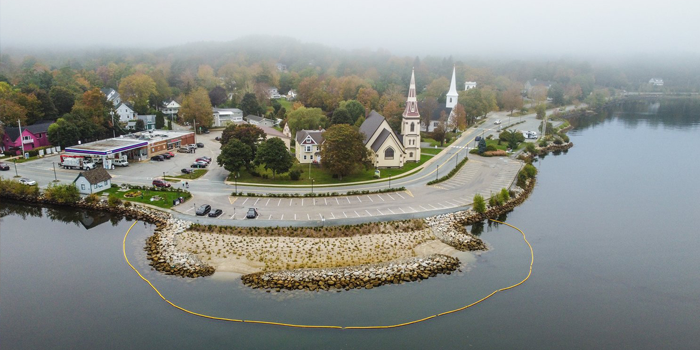
Integrating Climate Change Adaptation and Resilience Part 1: A Holistic Approach

Integrating Climate Change Adaptation and Resilience Part 1: A Holistic Approach

by leslievp | Sep 7, 2023 | Adaptation, Atlantic, Climate Change, Blog

Image Credit: Coastal Action, n.d., Mahone Bay Living Shoreline Hurricane Fiona Update When it comes to responding to climate change’s impacts, two terms often cross paths: adaptation and resilience. Sometimes used interchangeably and often used together, what do they...
« Older Entries
Next Entries »

Search

Recent Posts

  • Connected Resilience: Atlantic Adaptation Conference – Thank you!
  • Connected Resilience: Atlantic Adaptation Conference May 27 & 28
  • Climate Adaptation Stories: Shoreline Adaptation at Lake Banook
  • Climate Adaptation Stories: Using Nature to Adapt to Coastal Erosion in Halifax
  • Climate Adaptation Stories: Eelgrass and Coastal Resilience

Recent Comments

    ABOUT US

    Our Team
    Board of Directors
    Advisory Committee
    Partners and Funders

    WHY ADAPT?

    PROGRAMS & SERVICES

    Adaptation Pathways
    CART Program
    Community Resilience
    Sector Support

    TOOLS & DATA 

    Coastal Adaptation Toolkit
    Data & Climate Projections
    Funding & Sector Support
    Networking Map
    Province-Specific Info

    LEARNING SPACE

    Adaptation Library
    Adaptation in Action
    Resources & Reports
    Video Library
    Webinars

    NEWS & EVENTS

    MEDIA INQUIRIES

    FOLLOW US

    • FollowFollow
    • FollowFollow
    • FollowFollow
    • FollowFollow

    Support CLIMAtlantic’s valuable work.
    Your gift will help keep our vital services
    FREE for everyone.

    Donate Today

    STAY CONNECTED AND INFORMED

    Sign up to get the latest resources,
    news, event announcements, funding updates, and job opportunities.

    Sign Up To Our Newsletter
    CLIMAtlantic

    1-506-710-2226
    info@climatlantic.ca

    CLIMAtlantic 2026 | PRIVACY POLICY

    CLIMAtlantic is an organization built on collaboration and partnerships.
    Created out of a federal initiative to establish regional climate hubs across Canada, our core work is supported by all four Atlantic provinces and Environment and Climate Change Canada.

    FOLLOW US

    • FollowFollow
    • FollowFollow
    • FollowFollow
    • FollowFollow

    Support CLIMAtlantic’s valuable work.
    Your gift will help keep our vital services
    FREE for everyone.

    Donate Today

    STAY CONNECTED AND INFORMED

    Sign up to get the latest resources,
    news, event announcements, funding updates, and job opportunities.

    Sign Up To Our Newsletter
    CLIMAtlantic

    1-506-710-2226
    info@climatlantic.ca

    CLIMAtlantic 2026 | PRIVACY POLICY

    CLIMAtlantic is an organization built on collaboration and partnerships. Created out of a federal initiative to establish regional climate hubs across Canada, our core work is supported by all four Atlantic provinces and Environment and Climate Change Canada.

    CLIMAtlantic works in Atlantic Canada, which is situated on the unceded and unsurrendered homelands of many Indigenous Peoples, including the Mi’kmaq, Wolastoqiyik, and Peskotomuhkatiyik who are all members of the Wabanaki Confederacy (which also includes Panawahpskewi and Abenaki), as well as the Beothuk, Innu, and Inuit.
    FIND OUT MORE >>