Connected Resilience: Atlantic Adaptation Conference
The growth and evolution of adaptation in the Atlantic region were on full display during the 2-day conference. Our partners, clients, funders, and colleagues encouraged us to host this regional conference and it would not have been possible without their support. The conference brought together 315 attendees, including over 120 presenters across 39 sessions, and generated new ideas, connections, questions, experiences, and expertise from different fields of work. It sparked excitement and created new relationships and opportunities to take adaptation to the next level as the need for resilience grows.
A special thanks to Minister of Environment and Climate Change Canada, Hon. Julie Dabrusin, and Nova Scotia Minister of Environment and Climate Change, Hon. Tim Halman, for sharing their remarks during the conference.
We look forward to working with new partners and helping new users build resilience across communities, sectors, and ecosystems.
Connected Resilience: Atlantic Adaptation Conference 2026
May 27, 2026 – May 28, 2026
Conference Themes
-
From response to readiness
-
Letting nature lead
-
Aligning with social, economic, and environmental priorities
-
Avoiding and addressing maladaptation
-
Adaptation as an ongoing, evolving process
Keynote Sessions
We had 3 keynote sessions that highlighted Indigenous Climate Leadership, Connecting Climate Change and Weather Extremes and The Payoff from Preparing for Climate Change. Each session brought unique insights and takeaways. Read more about the sessions below.
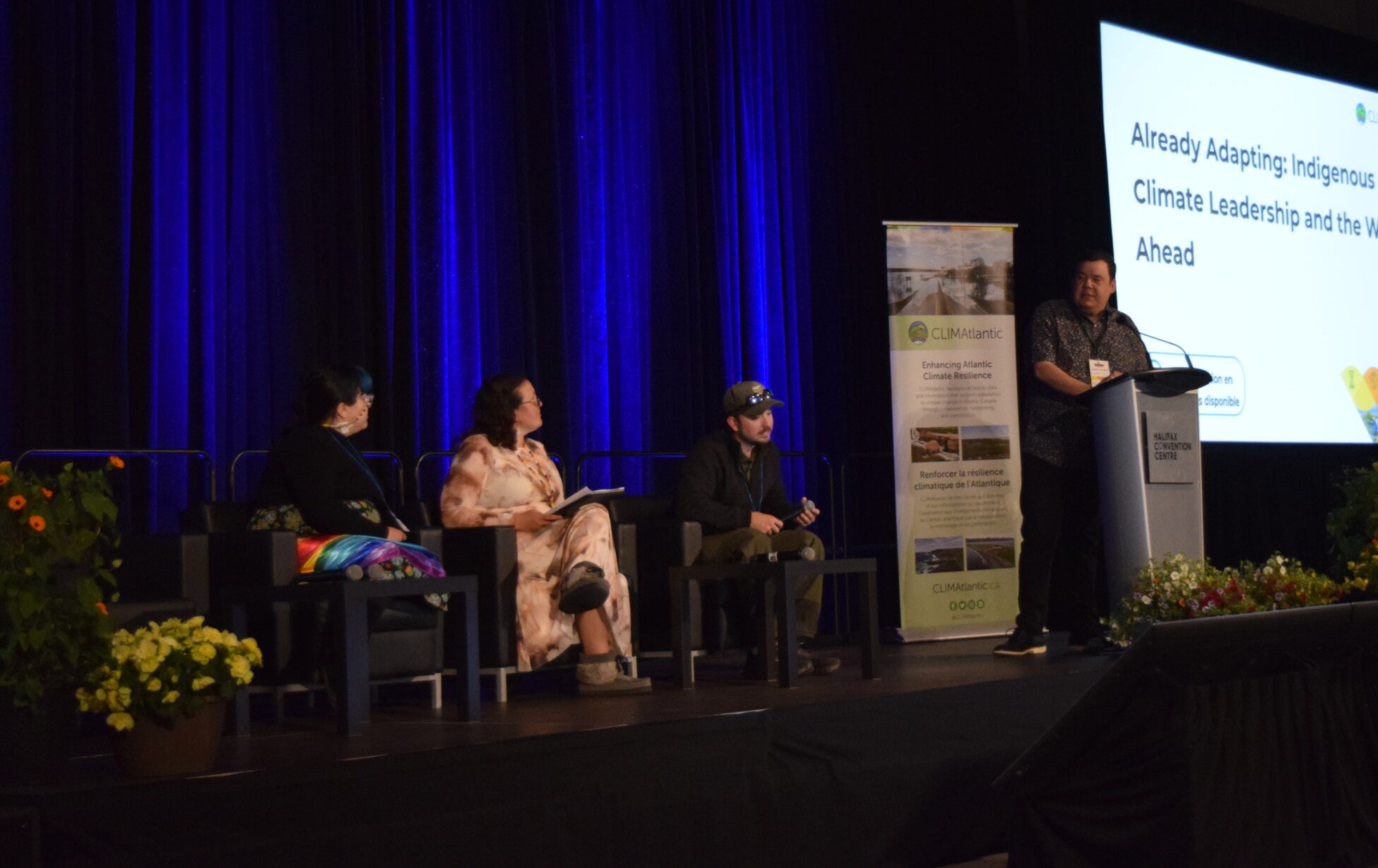
Already Adapting: Indigenous Climate Leadership and the Work Ahead
Conference co-chair, Tim Bernard (Shared Earth Strategies) opened the program on day 1 by moderating a panel discussion on Indigenous leadership in adaptation. Joined by Blake Bernard (Lennox Island First Nation), Michelle Knockwood (Fort Folly Habitat Recovery) and Jay Denny (Unama’ki Institute of Natural Resources), the panel explored how adaptation is already taking place in Indigenous communities, through themes of climate readiness, letting nature lead, and avoiding maladaptation.
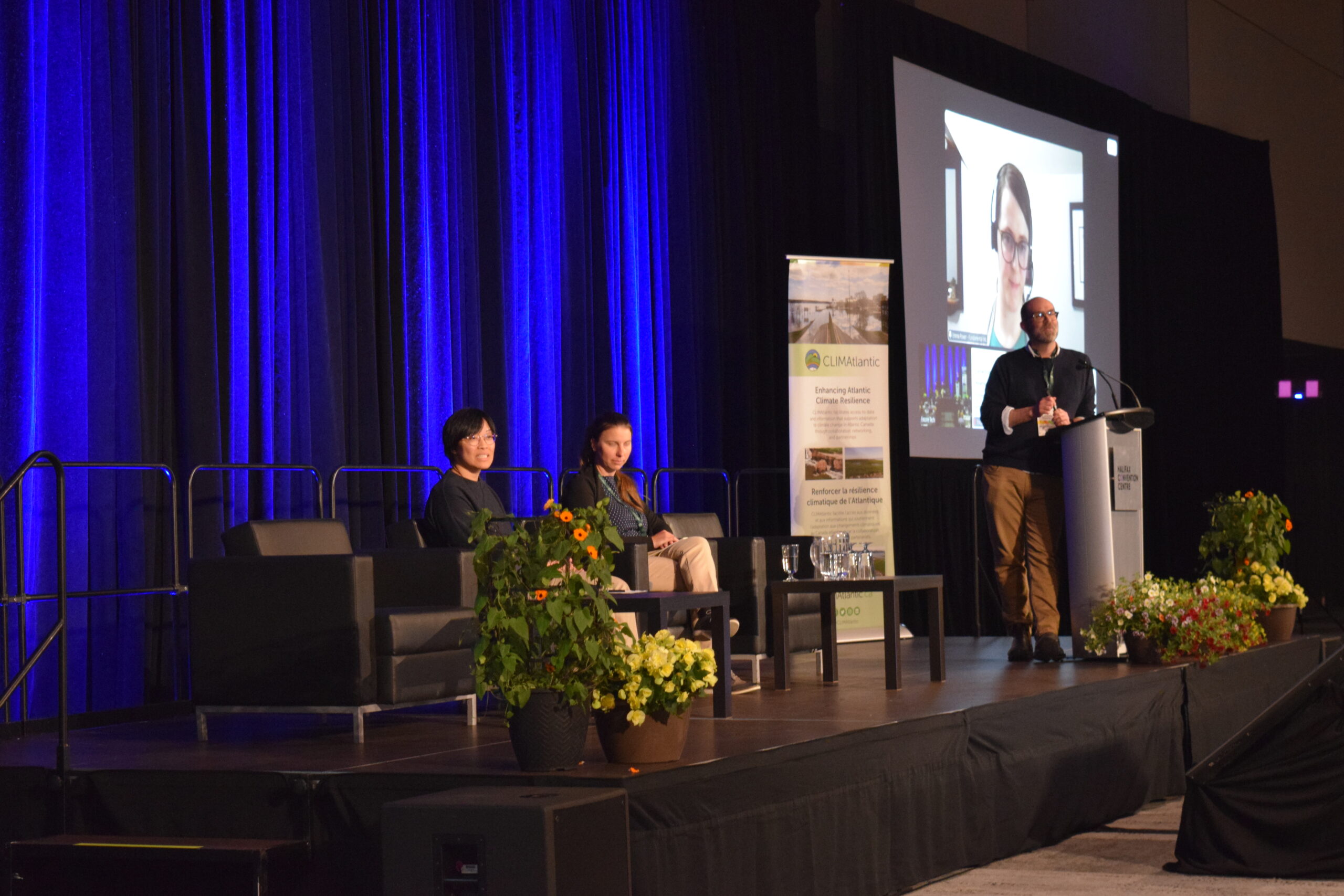
Connecting Climate Change & Weather Extremes: Rapid Extreme Weather Event Attribution
In this session, Dr. Nathan Gillett (Environment and Climate Change Canada’s Canadian Centre for Climate Modelling and Analysis (CCCma)) introduced ECCC’s rapid attribution system, and described its extension to use higher resolution atmosphere models which are better able to capture high impact phenomena. This was followed by reflections on the practical application of event attribution with Joel Finnis (Memorial University of Newfoundland and Labrador) three climate service providers: Stephanie Arnold (CLIMAtlantic), Léa Braschi (CBCL Ltd) and Emma Power (Fundamental Inc.).

The Payoff from Preparing for Climate Change—and the Costs of Inaction
Ryan Ness (Director of Adaptation, Canadian Climate Institute) presented their research on the rising costs of inaction and the substantial benefits of investing earlier in adaptation and resilience. Drawing on national analysis and highlighting issues highly relevant to Atlantic Canada—including infrastructure deterioration, flooding, wildfire, and housing risk—the talk discussed why we need to move from reacting to disasters toward making climate resilience a core part of planning and investment.
Program Highlights
Schedule
Here are some photo highlights from our week!
Participant Testimonials
Conference Sponsors